
University of Waterloo Field Course Social Justice Climate Change Biodiversity
Day 1 April 27 2024
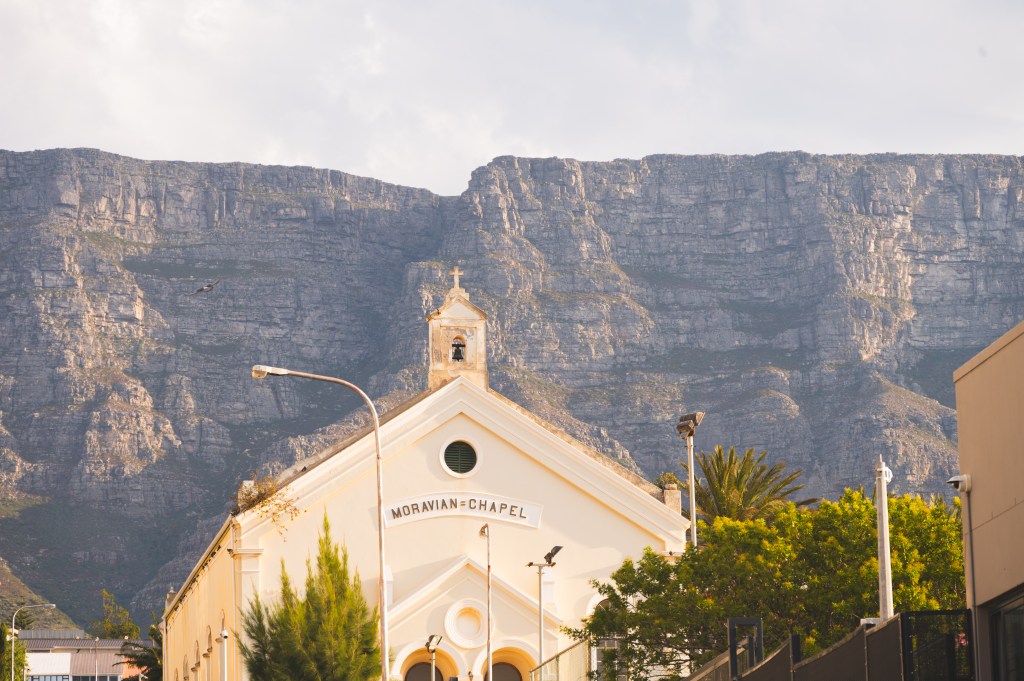
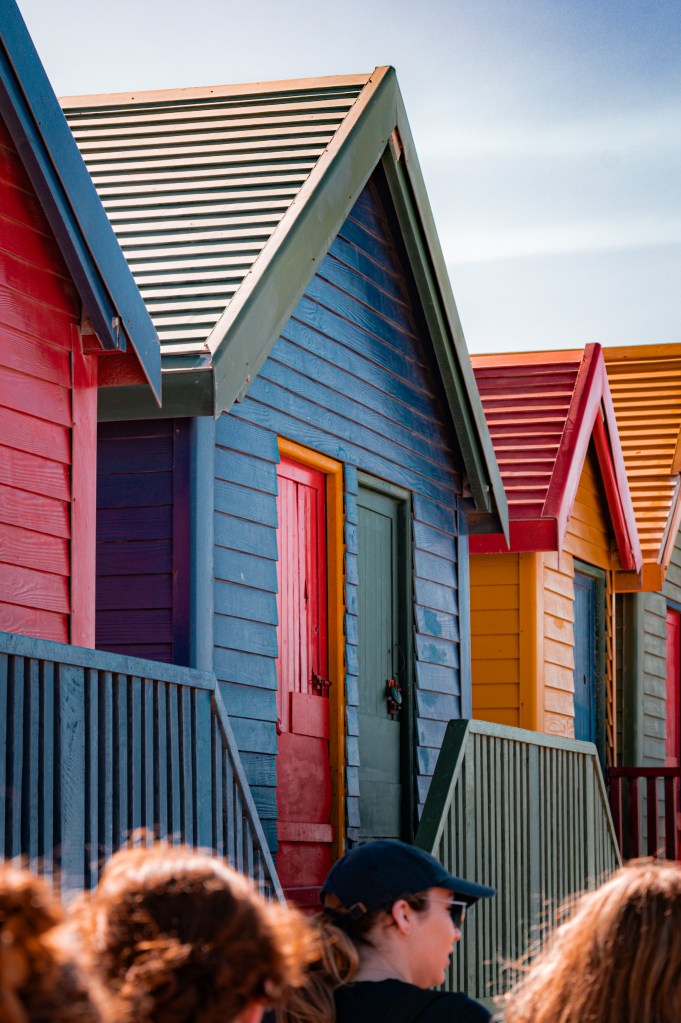
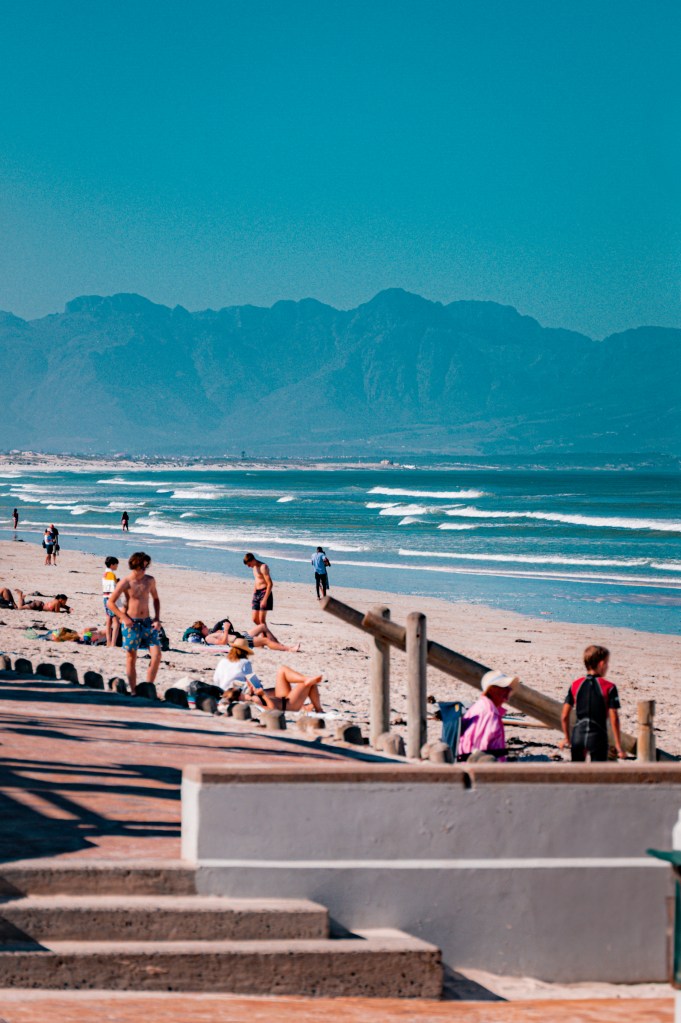
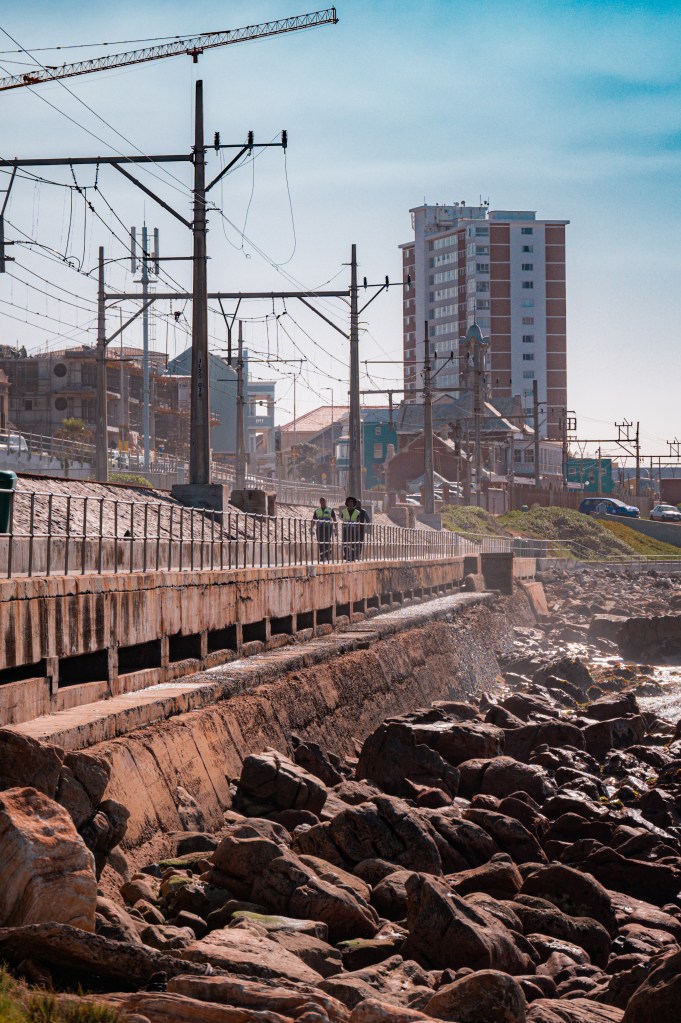
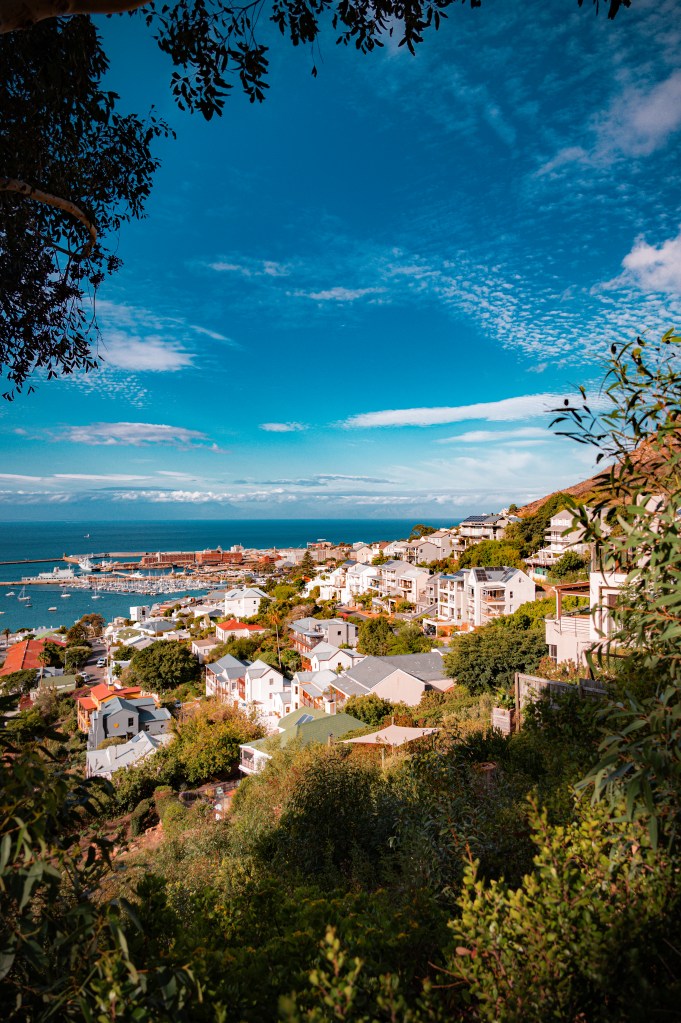
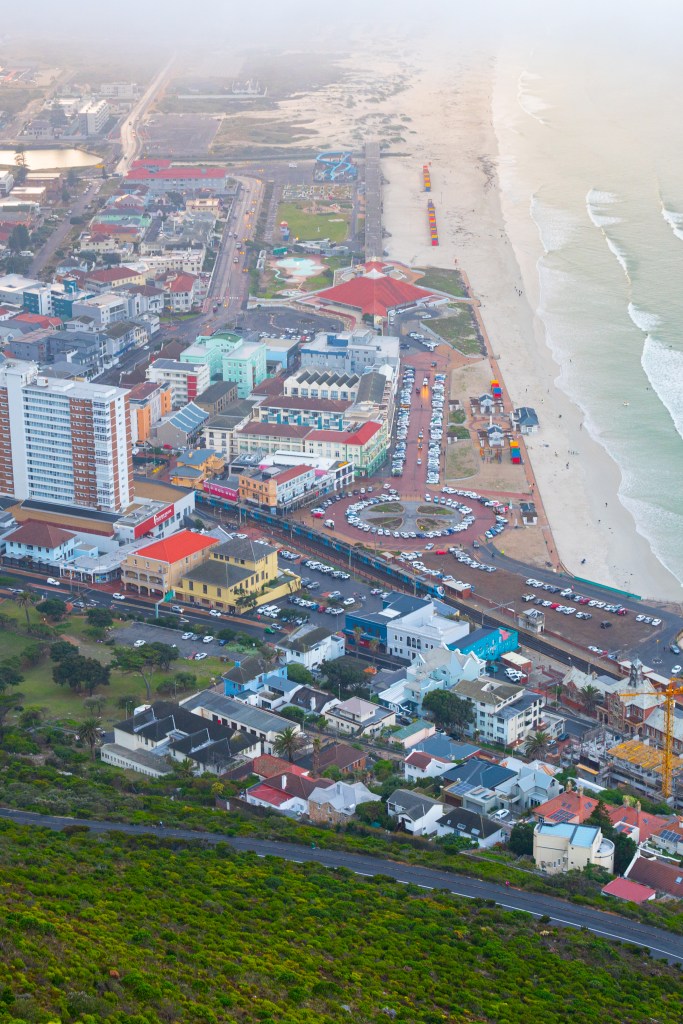
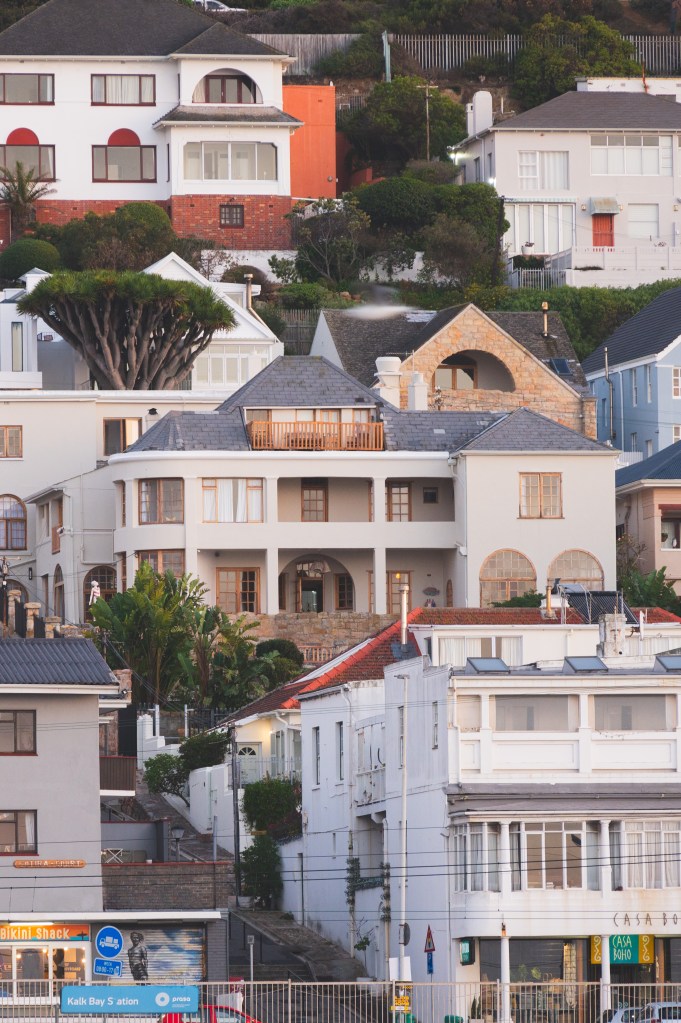
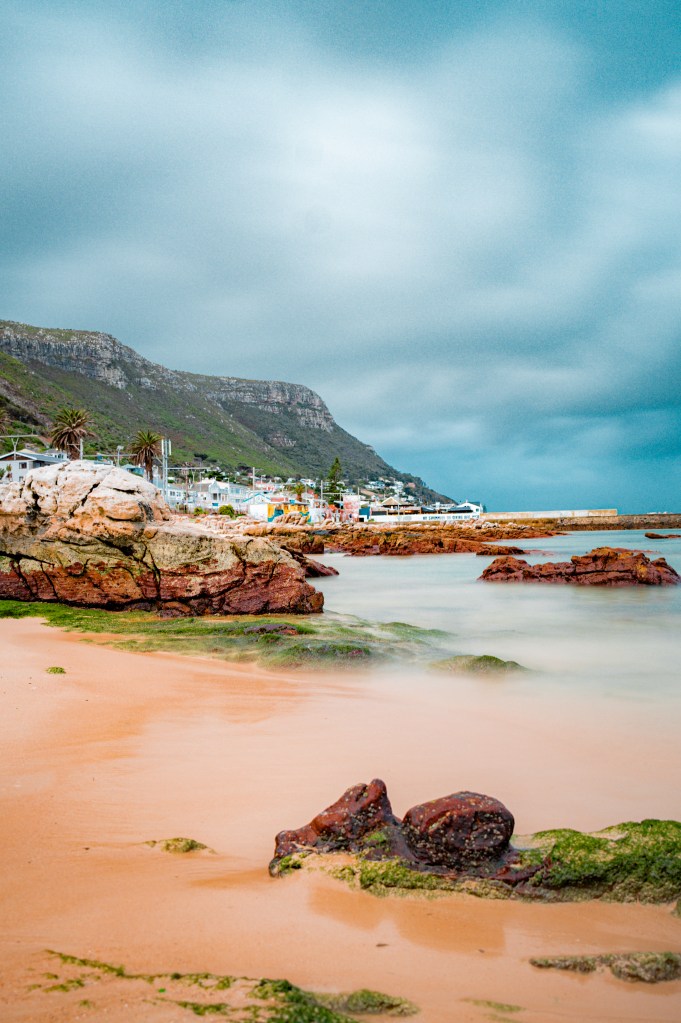
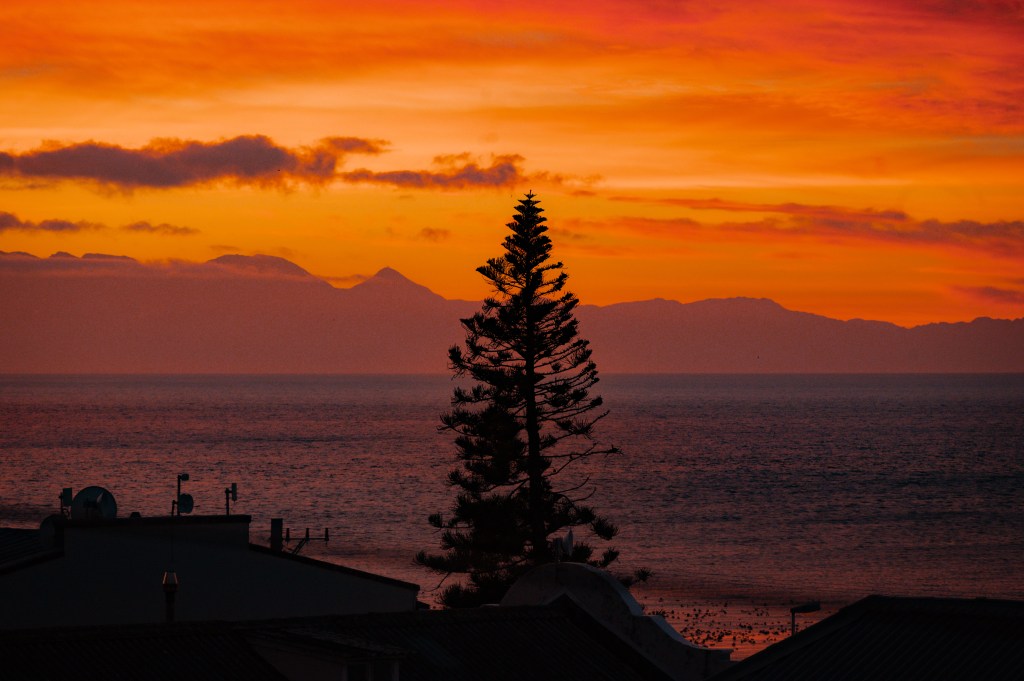
Day one of my field course was pretty good, and what really stuck with me were the views. Traveling through the coastline and countryside, seeing different houses, people, and communities was fascinating. The initial drive offered beautiful sights, and I’ll include photos to show the journey. In Cape Town, specifically the central business district, we had lunch at a place that combined Malaysian and Indian cuisine, highlighting South Africa’s multiculturalism. Learning about the rich culture and history of people working together before apartheid was captivating.
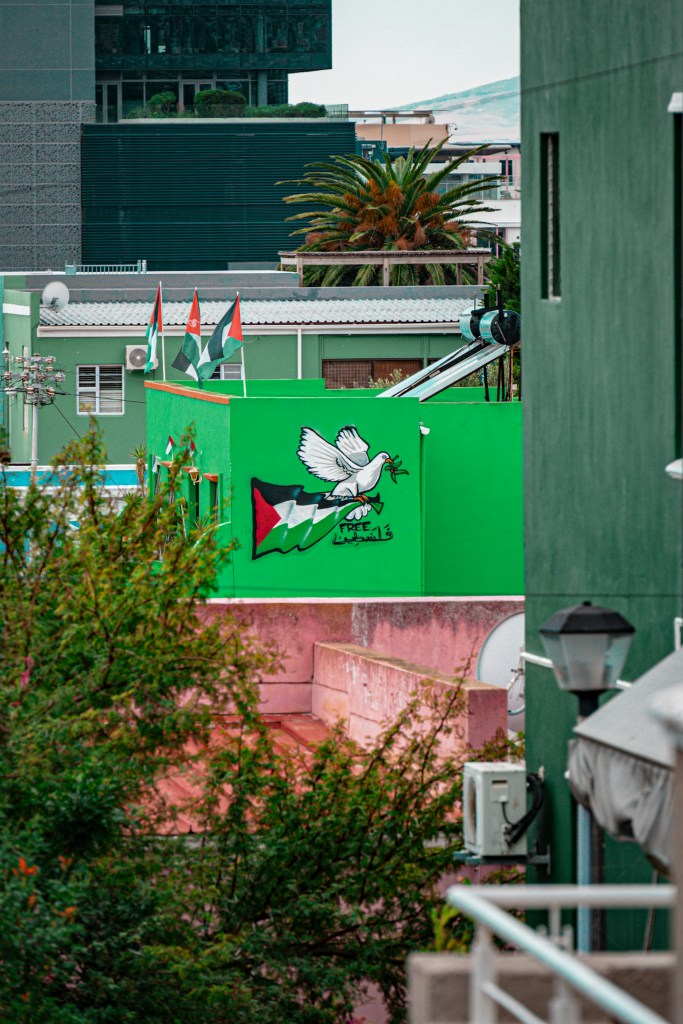
We walked through a community with ten mosques, and the beautiful art showing solidarity with the Palestinian people was striking. The contrast between local and national government perspectives was interesting, especially with attempts to remove the murals. I gained a deeper understanding of apartheid, seeing how communities were built and how they reclaim their history through storytelling and commemorating places like the Seven Steps. These steps, though not spectacular, represent an era before apartheid when people were going about their business, and their commemoration was enlightening. We ended the day at a local restaurant and fishery.
Despite the food being a bit rubbery, I enjoyed it. Seeing the Black community in South Africa has been exhilarating; there’s a sense of pride among the people that is very enjoyable. Overall, it has been a fascinating and beautiful journey. Experiencing this vibrant community has been wonderful, and I would consider having a home here to visit for a week or two.
Day 2 April 28 2024
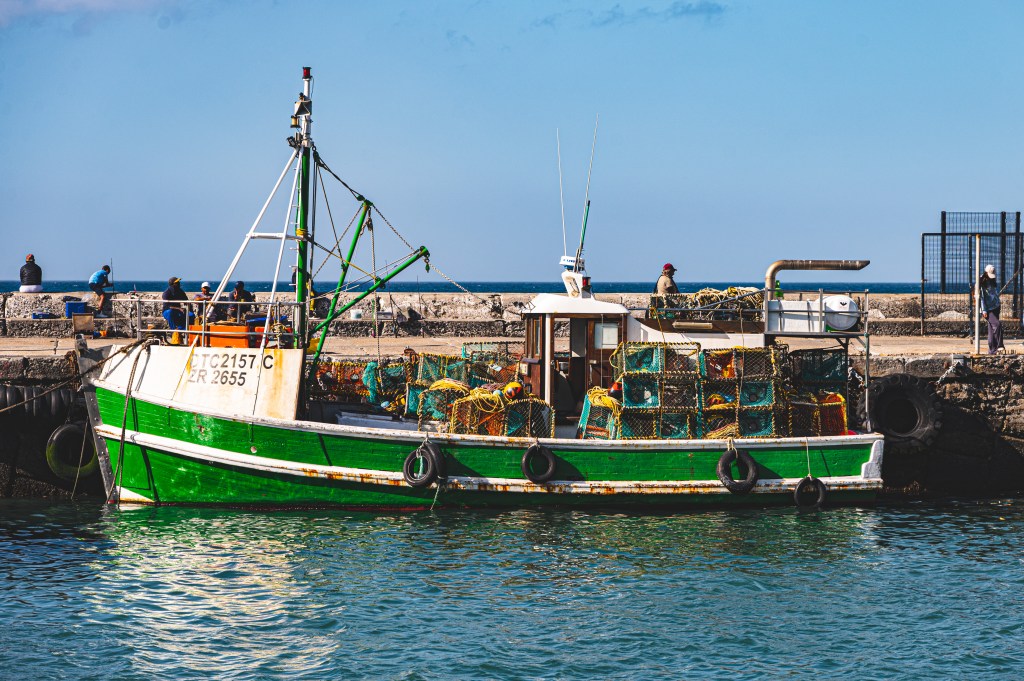
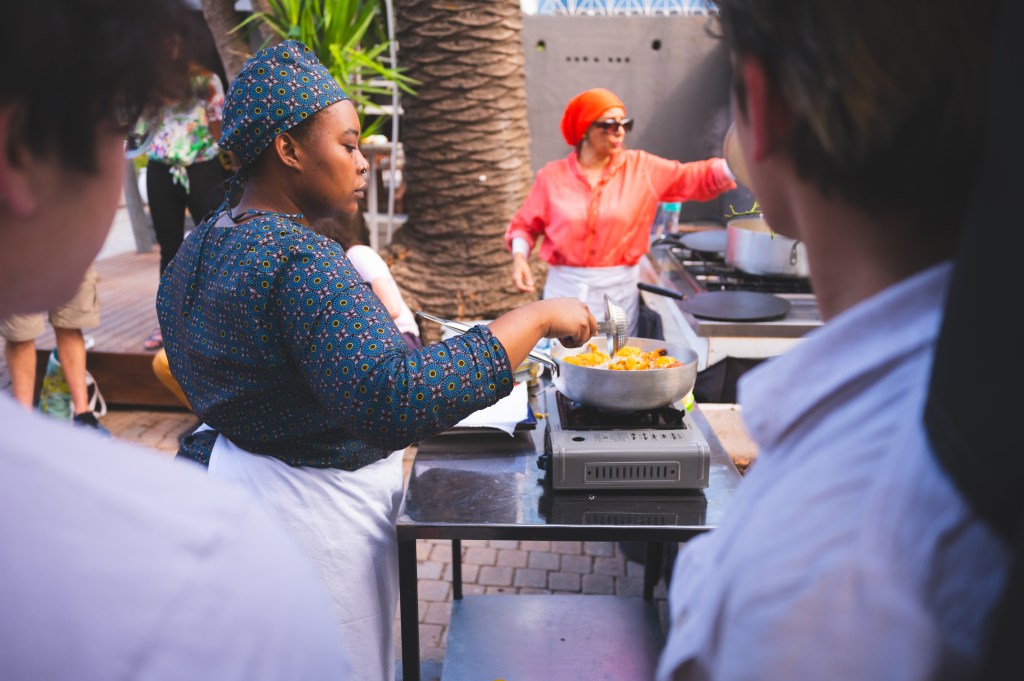
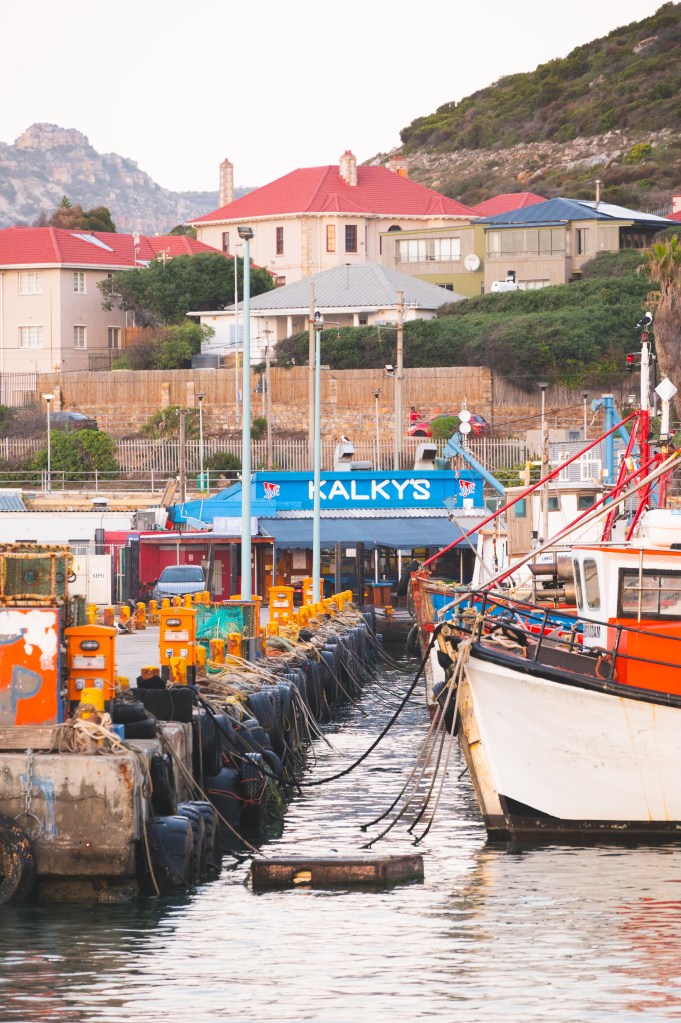
Reflecting on yesterday’s experiences, I find it crucial to focus on what you remember. I spoke with a sixth-generation local Indigenous woman, whose perspective was invaluable. Her stories about the harbor and how this old fishing town became self-sustainable during apartheid were fascinating. She shared how, despite many people of color not being paid, a white community leader advocated for the fishermen because they provided food for the Cape region. Her family’s ties to the community reminded me of my own family’s history, with storytelling being a common thread.
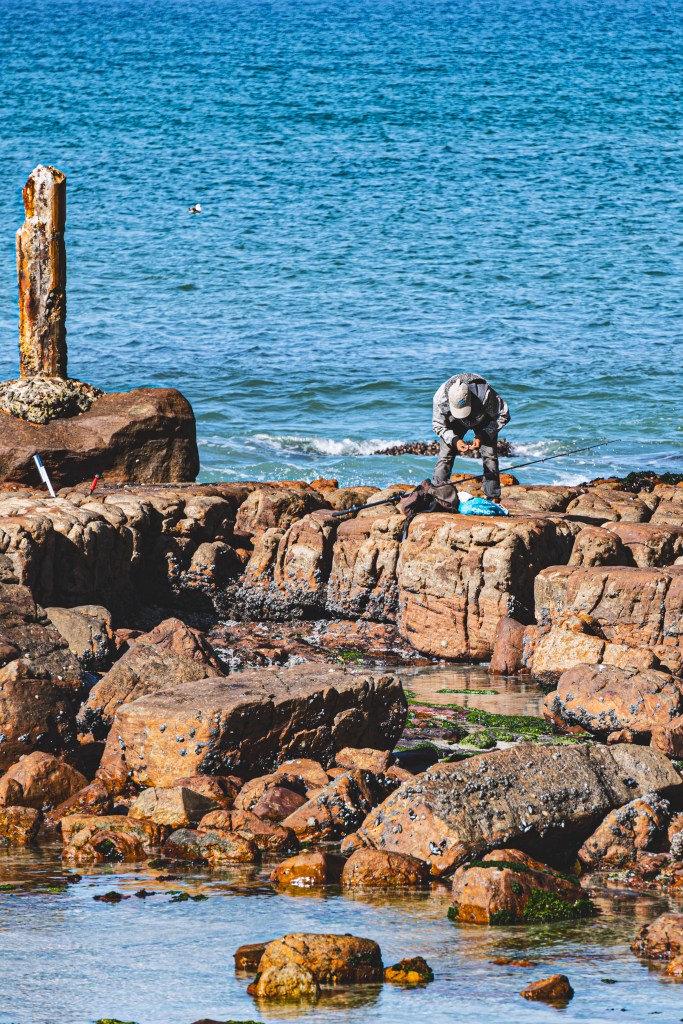
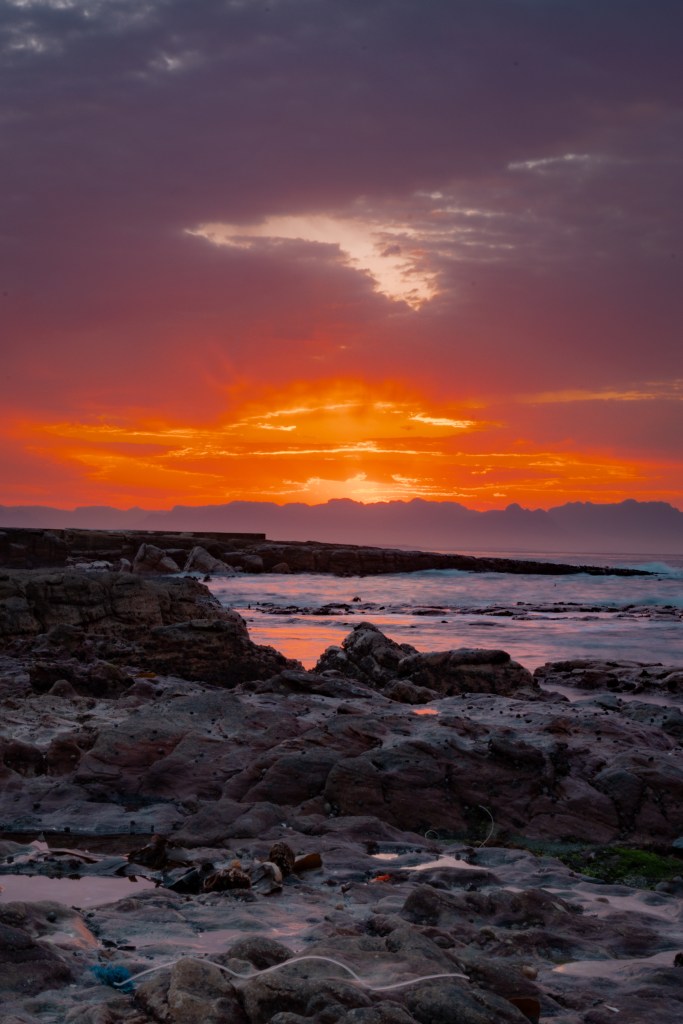
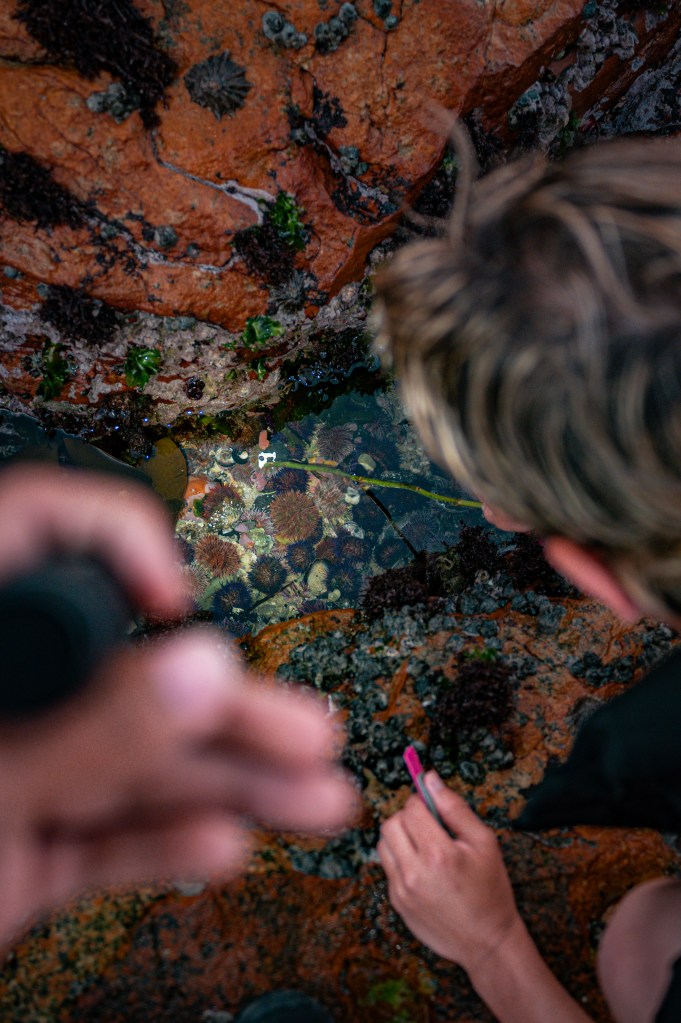
The similarities between our traditions, like smudging with abalone shells, were heartening. Speaking with community members and hearing their stories was a highlight. We had lunch based on the local fishermen’s diet, which I surprisingly enjoyed. Later, we explored the coastline for biodiversity, despite the high tide. Seeing sea urchins, starfish, and various shellfish sparked my interest in marine biology.
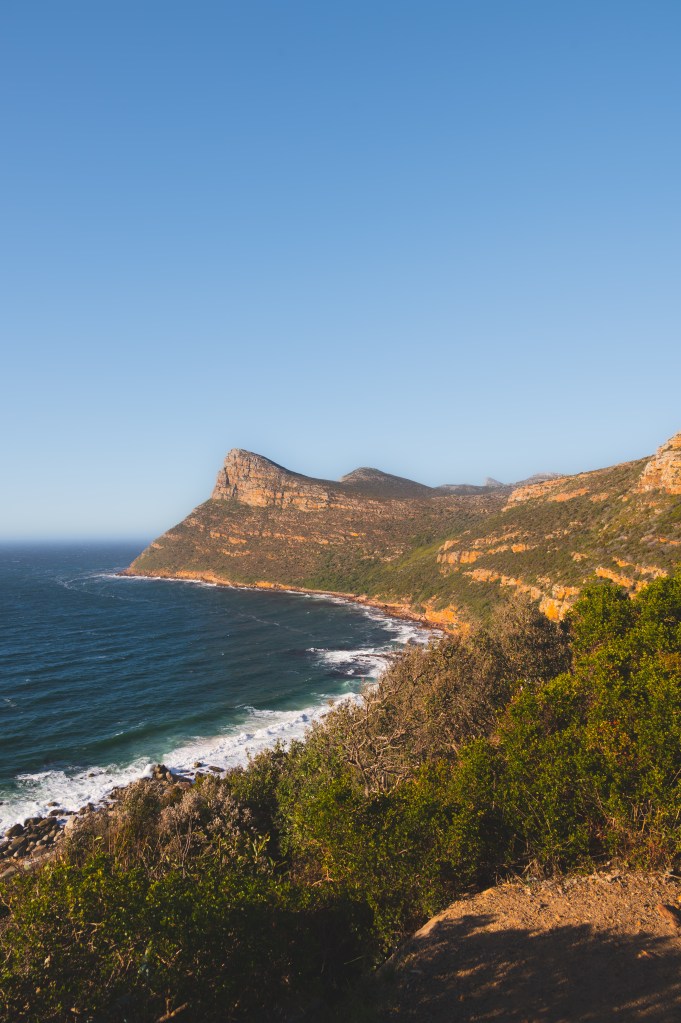
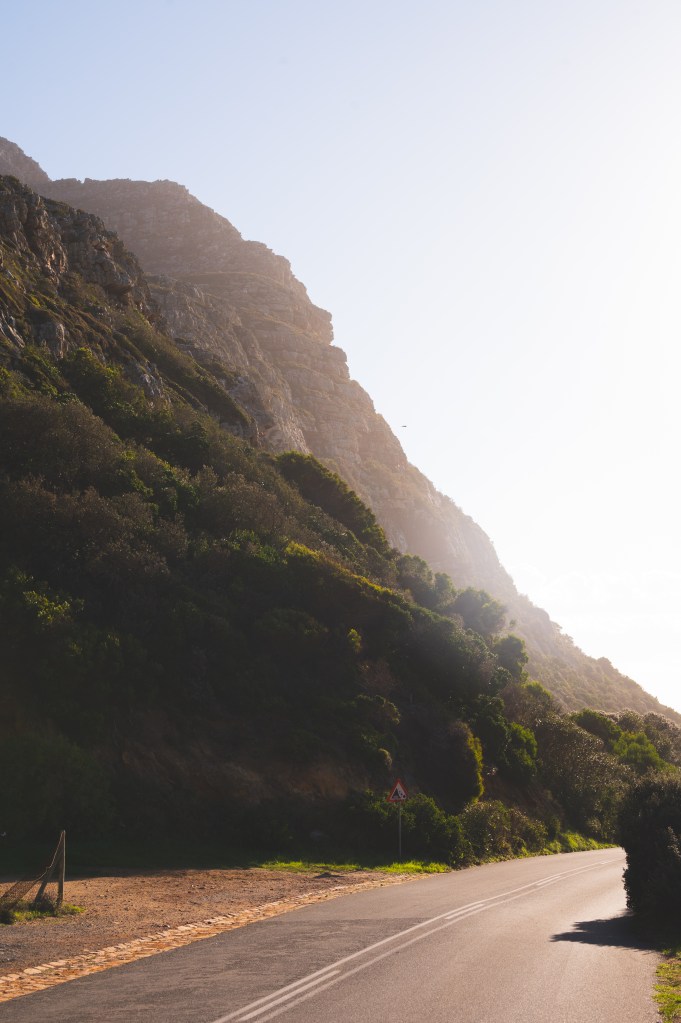
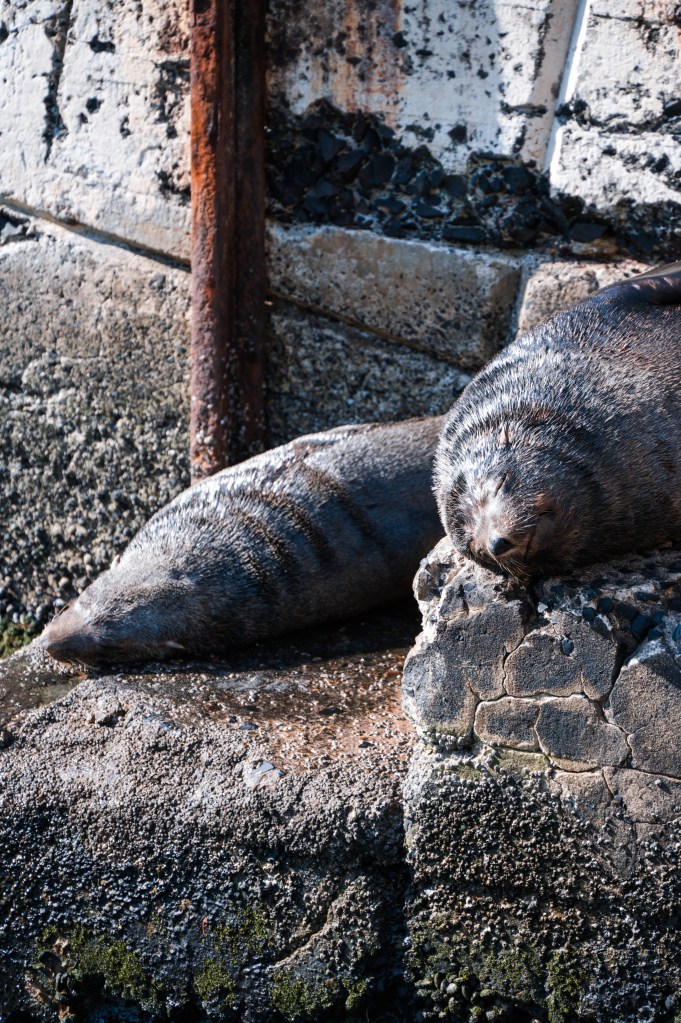
We also drove along the coastline to get an overview of the city, observing the spatial geography of different communities. I met a woman specializing in negotiation, advocacy, and mediation, with a Master’s in Peace and Conflict Studies. We bonded over our shared love for mediation and advocacy, and her dedication to supporting her community was inspiring. We saw seals, and I took beautiful pictures. Connecting with people and the community is the most important aspect of these experiences. The world is beautiful, but it’s the people who make it truly stunning.
I enjoyed getting to know everyone in our group better and had lovely conversations with our instructors and classmates over dinner. I’m excited for the next day, where we will be seeing penguins. Although I like to record my thoughts a day after, tomorrow’s experience of seeing penguins is something I am eagerly looking forward to.
Day 3 April 29 2024
As usual, I record my thoughts the day after to reflect on what stuck with me. Here’s a breakdown of my experiences from yesterday. The day started awkwardly—I was late. I Eventually, I found the group at the Shark Education Center. It was a fascinating place dedicated to changing the narrative about sharks, highlighting their uniqueness. The center runs community programs, some participants even return to work there.
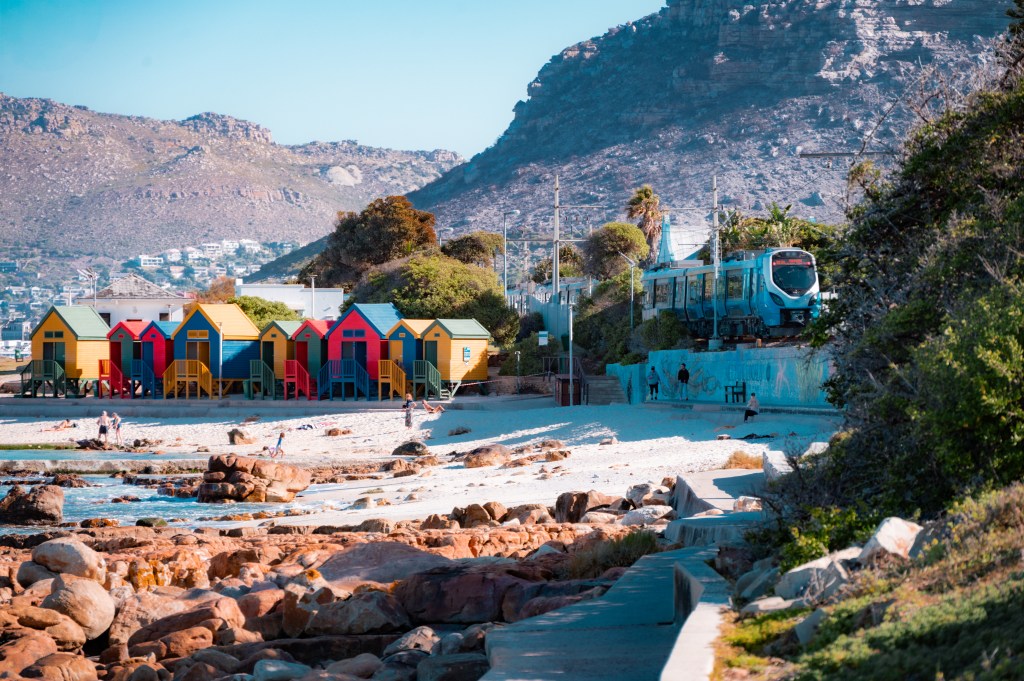
This inspired me to check out a similar center in Vancouver. I got to hold sea urchins and starfish, and learned about various shark species. Walking along the beautiful seawall, we stopped at a famous surfing beach where we learned about shark deterrence systems. The shark spotters emphasized using “shark incidents” instead of “shark attacks” to avoid portraying sharks as vicious and discussed sustainable protection methods.In the afternoon, we had free time. I tried sushi for the first time in South Africa—it was okay but not memorable.
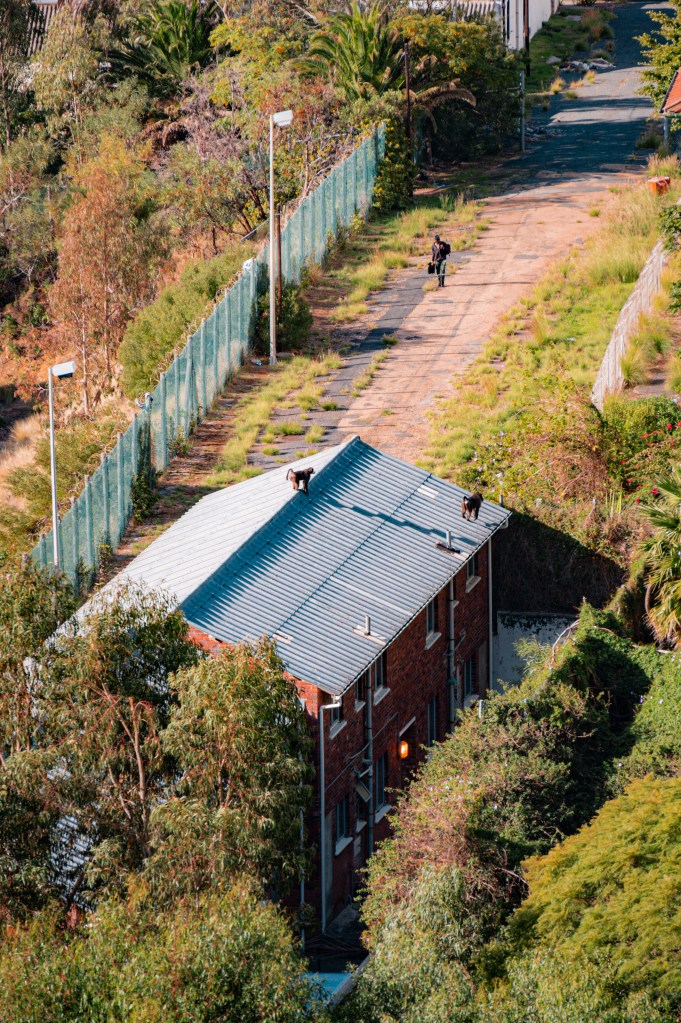
The conversation and laughter with the group made it enjoyable. The area had many interesting shops, including one selling traditional beaded work. After lunch, we walked back to our accommodation. In the evening, we listened to a researcher discuss the baboon problem from an academic perspective. The issues and solutions presented were intriguing, paralleling other places where wildlife and human communities intersect. We ended the day with dinner at Olympia Cafe. I had the mushroom penne, which was good but not something I’d order again. Our Dean of environment, Bruce Frayne , treated us, making me feel well taken care of. Overall, it was a day filled with learning, connecting with people, and enjoying beautiful surroundings. Today promises more adventures, and I look forward to sharing those experiences in my next recording.
Day 4 April 30 2024
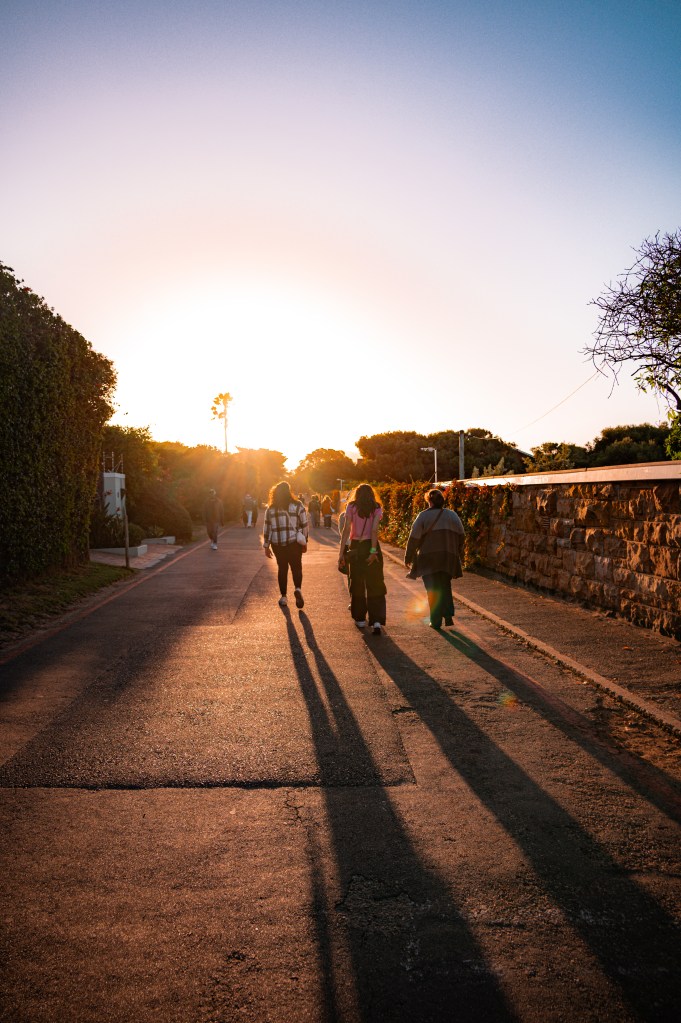
This day was interesting but started off poorly in my opinion. We entered a local low-income community without proper context, making it feel like we were parading through their streets rather than engaging meaningfully. Ella Kari Muhl, our guide and one of our instructors, shared that she had no control over what we did in that space and that it was up to local community leaders. I later learned there was a mutually beneficial relationship between Ella’s connections and the community, but it wasn’t communicated at the time. Because of this lack of communication it lead me to discuss my concerns with our instructors about the need for context for us the students and a desire for meaningful engagement with the community. After this, we visited Simonstown, a town with a rich history shaped by various communities, including the Dutch, British, Russians, and Chinese. Simonstown has a long history of colonialism, military action, and the impact of apartheid. Walking through a town over 200 years old was fascinating.
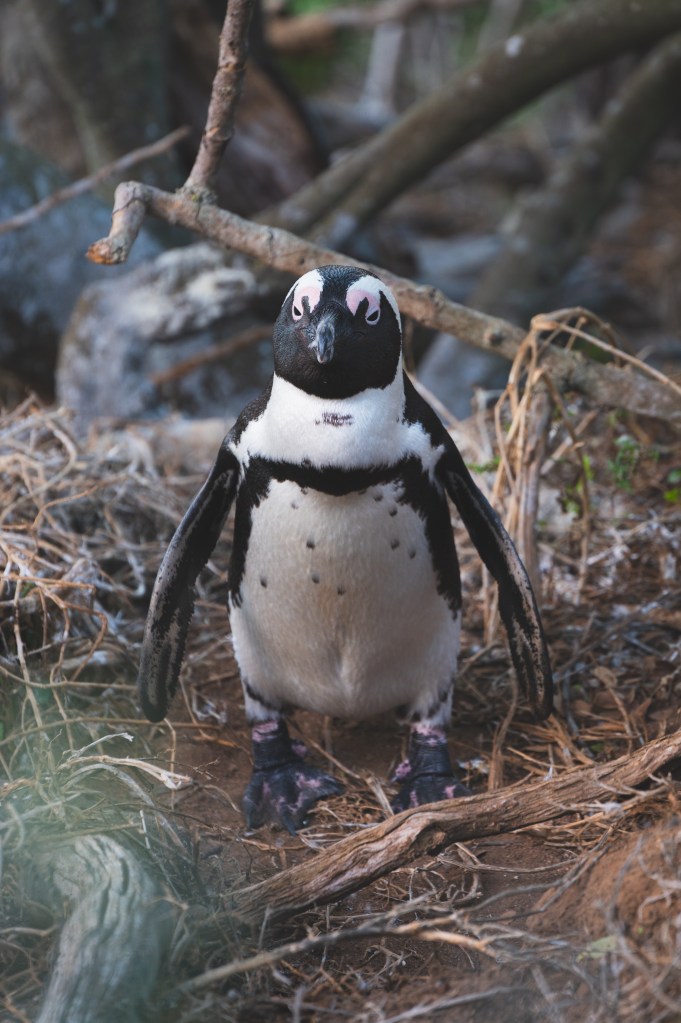
The museum showcased the rich history of slavery, prisoners, and significant events over centuries. We ended the day on a lighter note, focusing on biodiversity and climate change. We visited the local penguin population, which was a highlight. I got beautiful photos of the penguins and learned about their struggles, such as lacking food resources and the impact of climate change on their breeding cycles. Hearing from a local marine biologist about these issues was eye-opening. We ended the day with a visit to a harbor for fish and chips. Being right on the water, fish seemed like the right choice, and it was good meal. The day concluded with great conversations, laughs, and reflections on our experiences. I had a conversation with two of our instructors Derek Armitage and Ella about the morning’s events. We discussed how it could’ve been handled better and how better communication could have prevented misunderstandings. Overall, it was a very interesting day, full of learning and reflection.
Day 5 May 1 2024
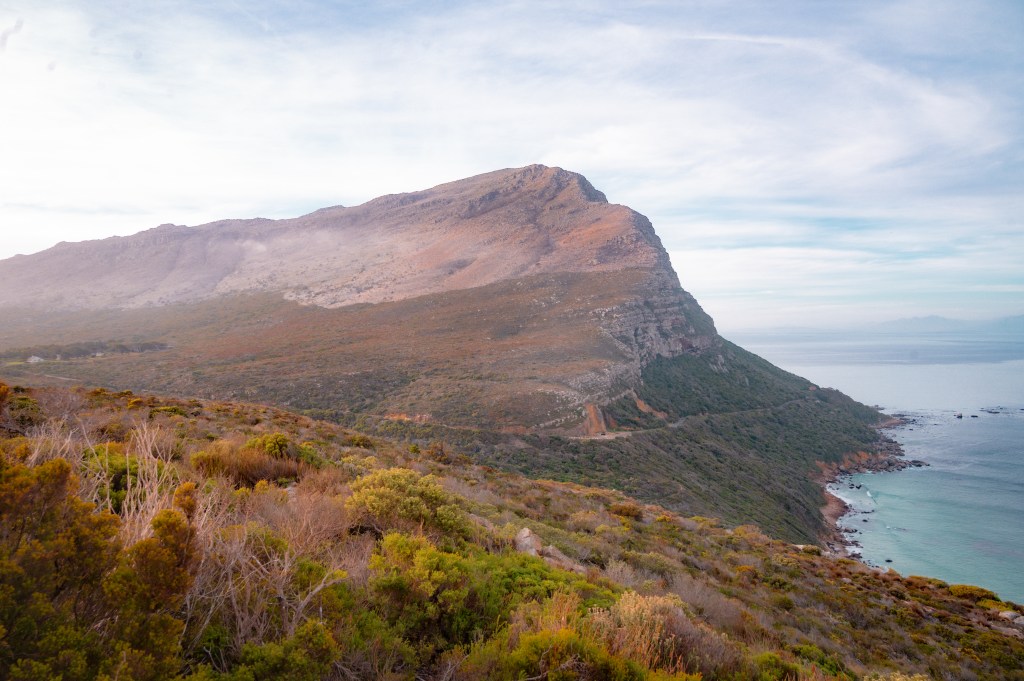
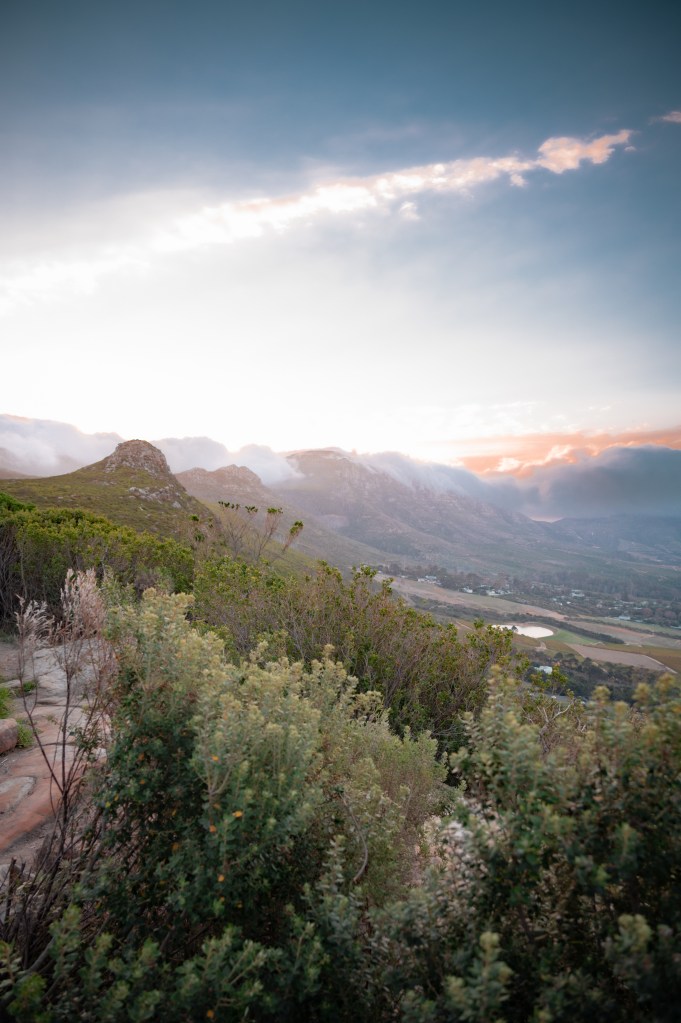
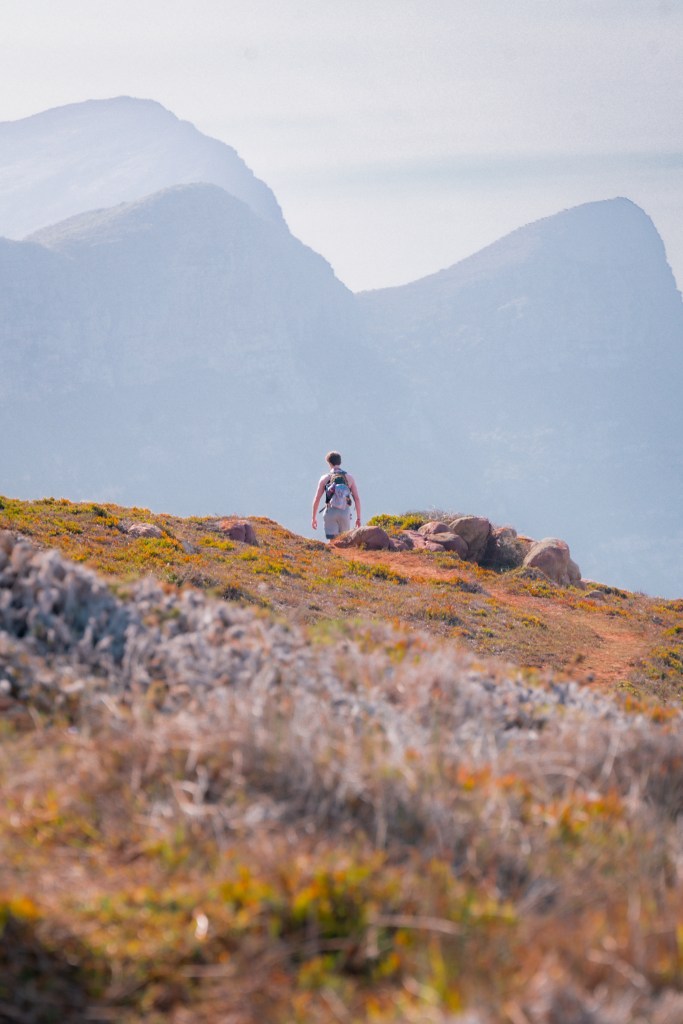
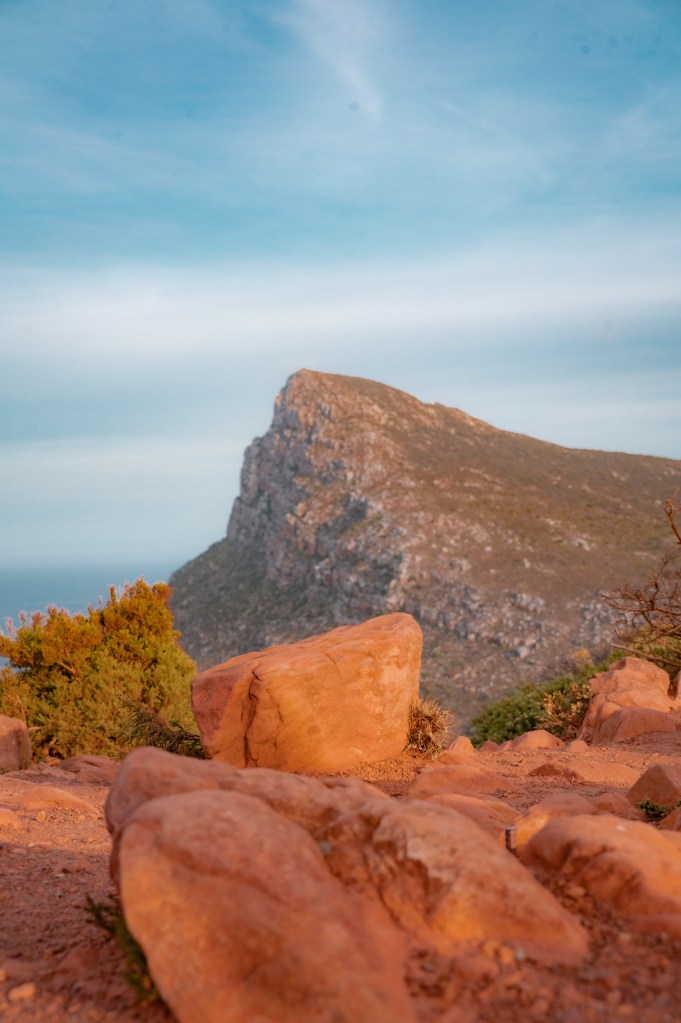
This day was slower, starting with a morning hike up a mountainside. In Cape Town, you can hike a mountain on a whim. Despite my tired legs and bringing a jacket that made things hotter, the hike was rewarding. Low-level clouds made visibility difficult at times. Next, we hiked in Cape Point, a national park at the tip of the Cape Town peninsula. It was interesting to learn that the area’s biodiversity and wildlife are isolated because they can’t move through the developed central part of Cape Town. This isolation contributes to issues like the baboon problem.
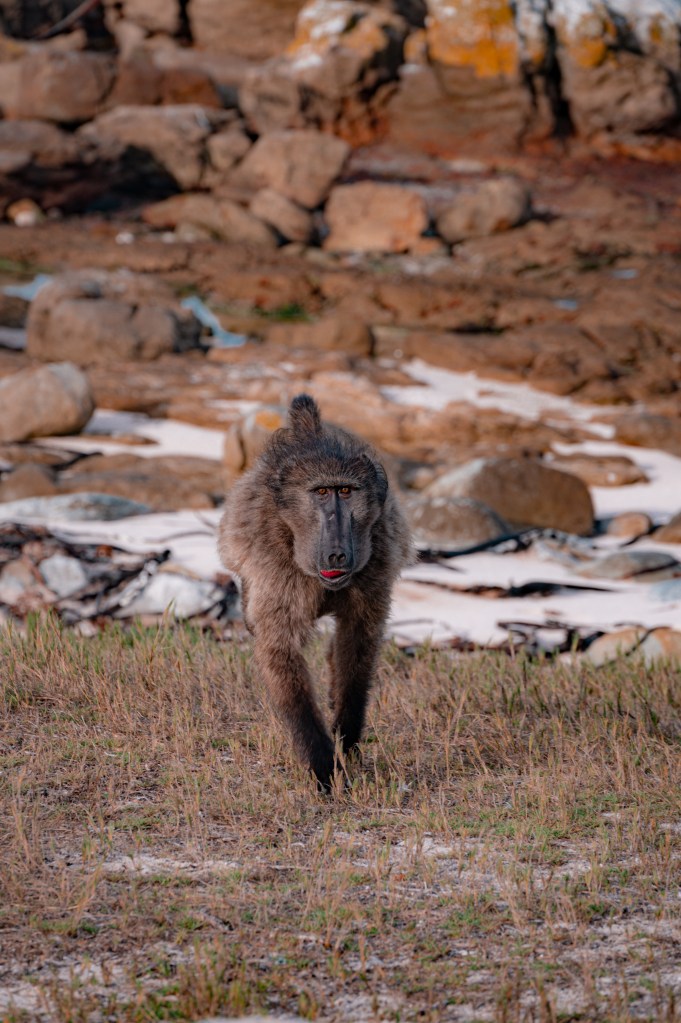
The hike was gorgeous despite low clouds, and we supported park preservation by purchasing a few items. The walk was enjoyable, with plenty of laughs along the way. After the hike, we went snorkeling at Cape Point. We had lunch at a beautiful spot, which I’ll include photos of to show the stunning scenery. We explored a cave where a body was found a few years ago, dating back hundreds of years. It’s fascinating to think about how people lived and foraged in this area long ago. Lunch in such a breathtaking place was amazing, taking in the beauty of the mountains and landscapes. On our walk back, we saw some baboons causing a stir by stealing lunch bags.
The snorkeling was done in tidal pools, which allow people to enjoy the water without dealing with waves. We ended the day with a visit to a lookout point, enjoying hot chocolate and chatting. On our way back, we stopped at Simonstown to use the restroom and debrief. Later, most of our group went out to dinner. The food wasn’t great, but it was a great opportunity to connect with everyone. Overall, it was a good day, though not as eventful as others. I’m looking forward to sharing today’s events in tomorrow’s transcription.
Day 6 May 2 2024
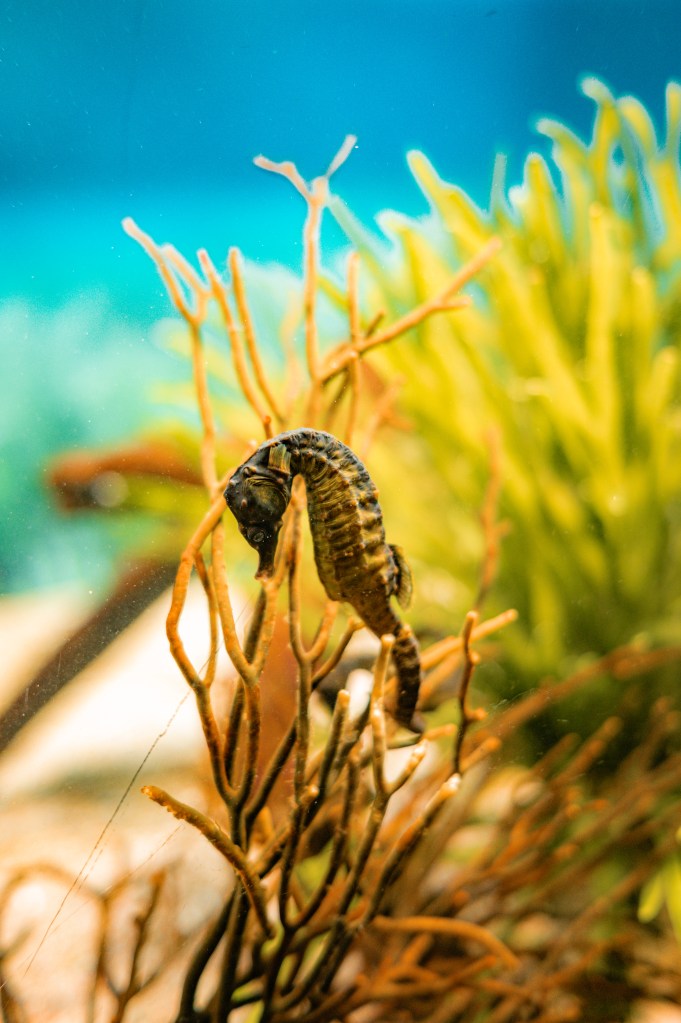
This day was slower. It started with me being late because I had to go to the bathroom. We got stuck in traffic on the way to the aquarium, but we arrived on time. The aquarium was interesting, though it would have been better to visit at the start of the week to discuss biodiversity and marine life. The highlight was the sea turtle rehabilitation center, reminding me of the story of Turtle Island and the special significance of turtles. After the aquarium, we toured around town and visited a market with artisans.
I purchased a few items before we headed to the University of Cape Town (UCT) campus. I wanted to pick up a hoodie, but the store had closed. Despite that, seeing the university was a great experience. At UCT, we participated in activities and listened to speakers on various topics. One discussion on connecting and communicating with communities in project creation resonated with me, though it felt more theoretical than practical. We also played a game about cooperative fisheries, highlighting the challenges and complexities of such systems. The UCT campus is beautiful, and it was refreshing to see the diversity among the students, including international students.
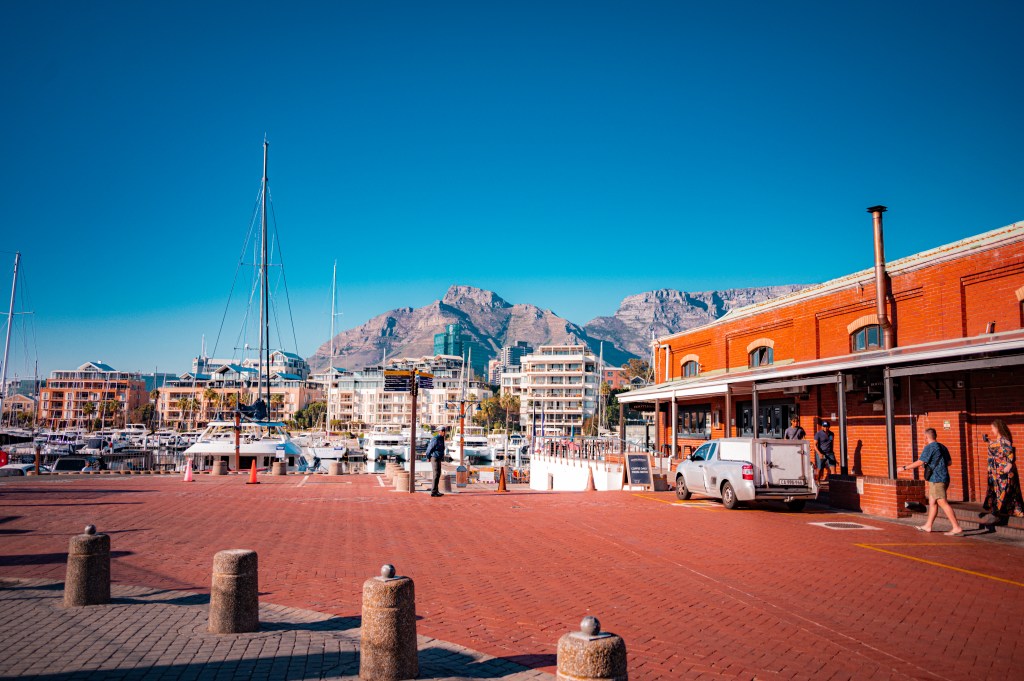
After UCT, we returned to the dockyards, strolled around the shops, and had dinner. It was a lovely evening with good laughs and conversations about our group members. Although the day was slower and less interesting compared to others, it had its charm. The key takeaway from the day was the importance of working with and respecting community perceptions and ideas. Understanding the challenges of being part of a cooperative and relying on limited resources was also highlighted. Additionally, the day reinforced the importance of taking care of sea creatures and appreciating the diversity of species. Overall, it was a nice day, though not as rich and thought-provoking as some others. Connecting with the group and people around me was a valuable part of the experience.
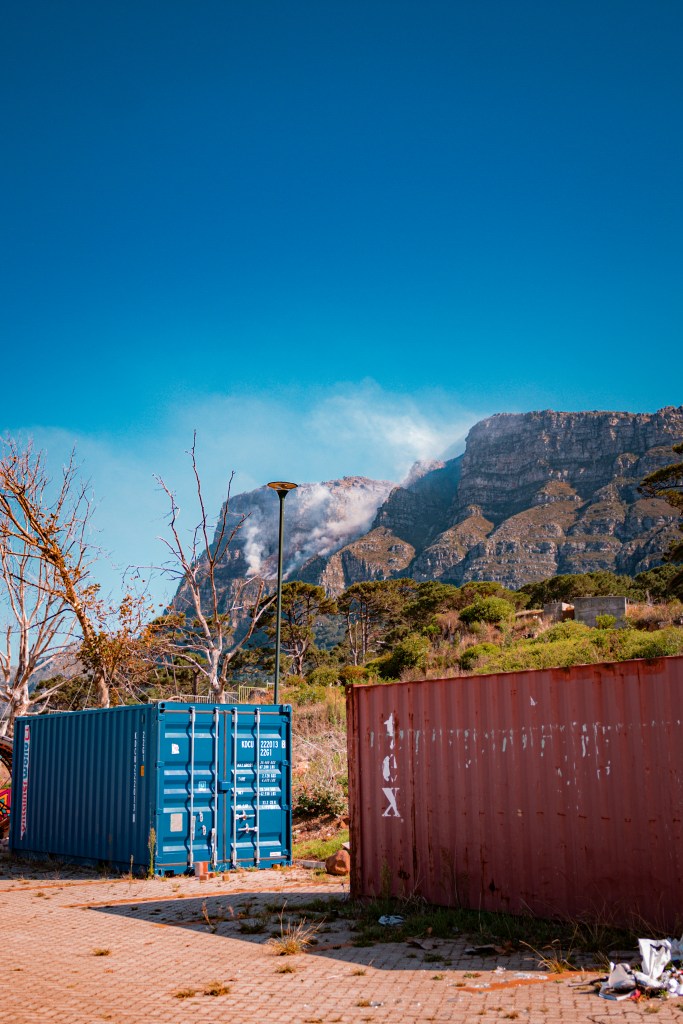
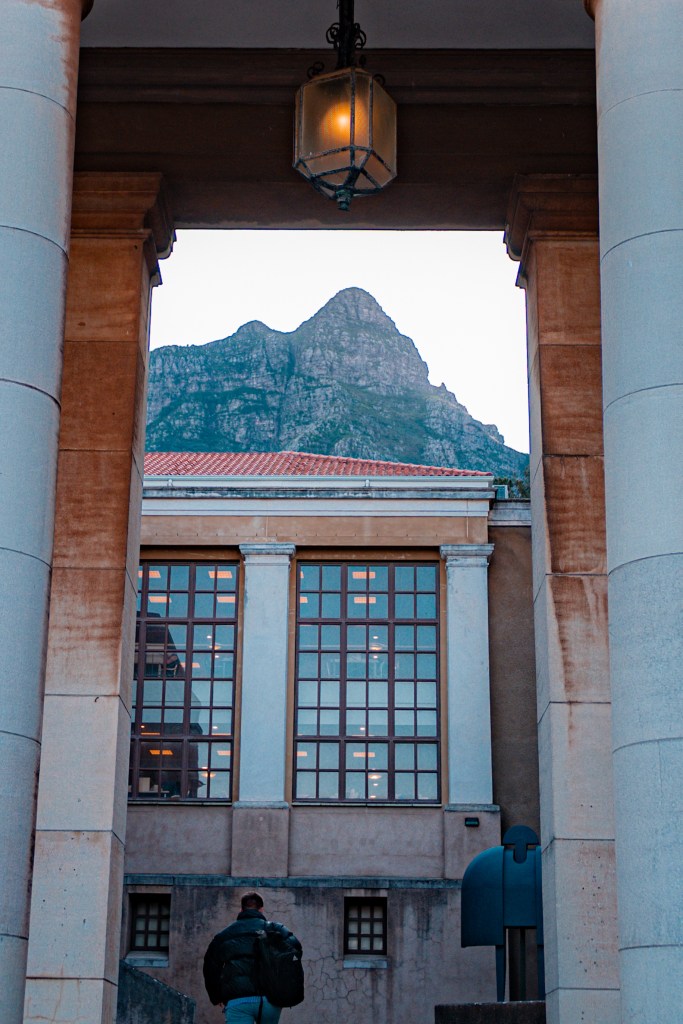
Day 7 May 3 2024
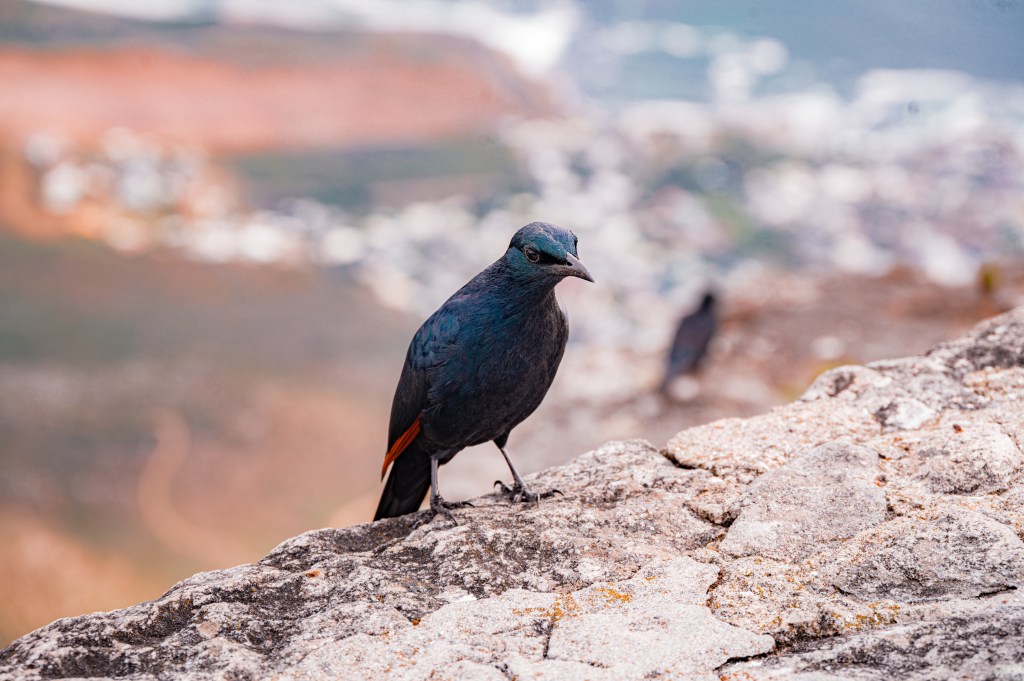
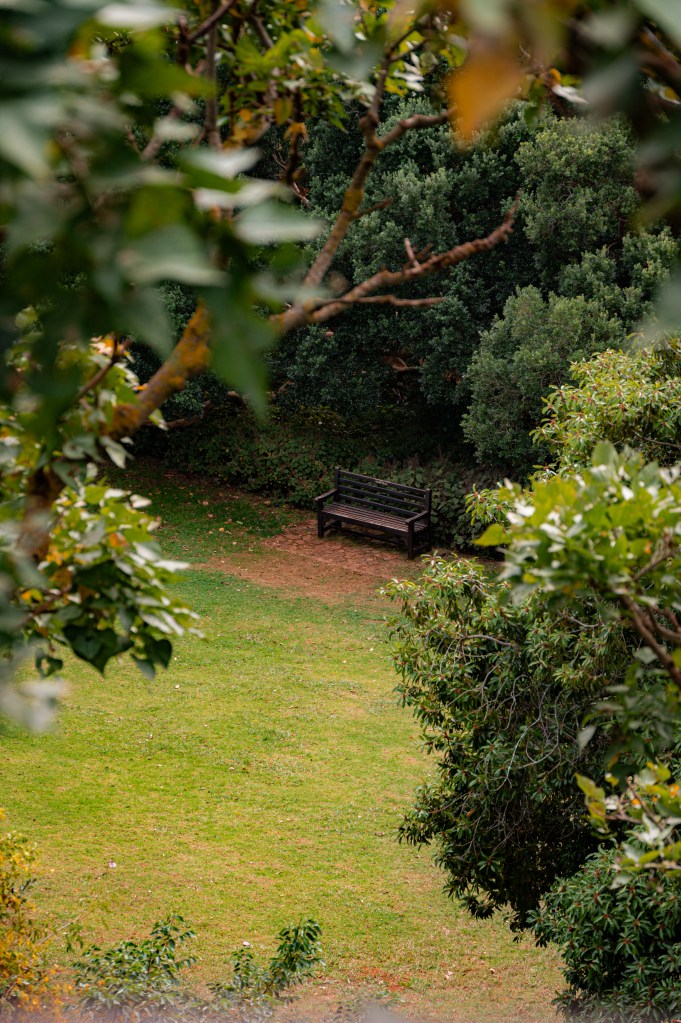
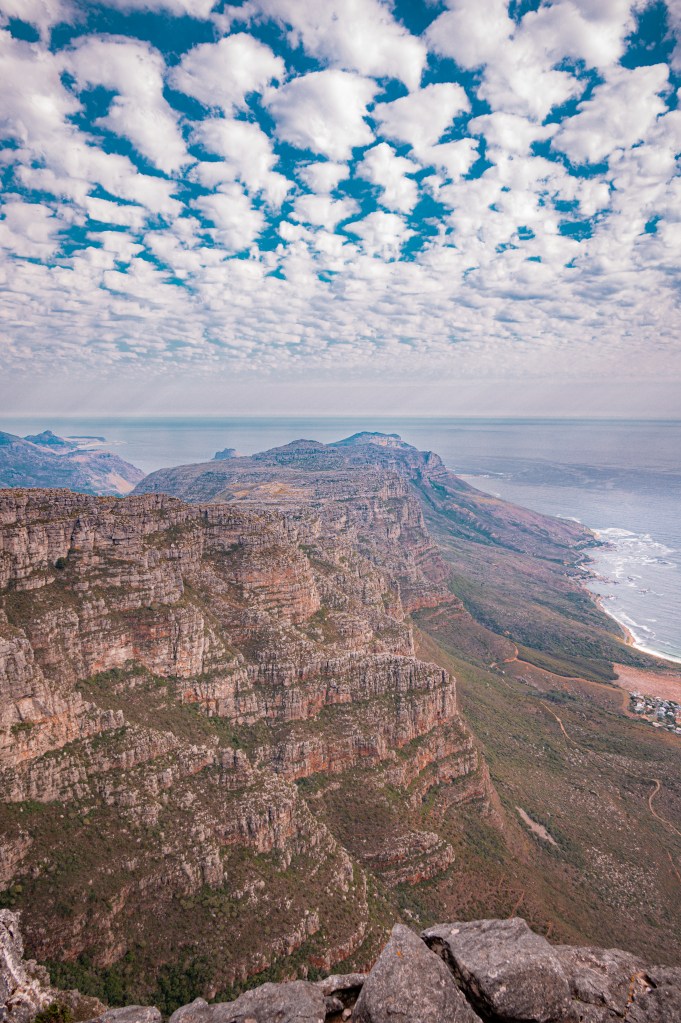
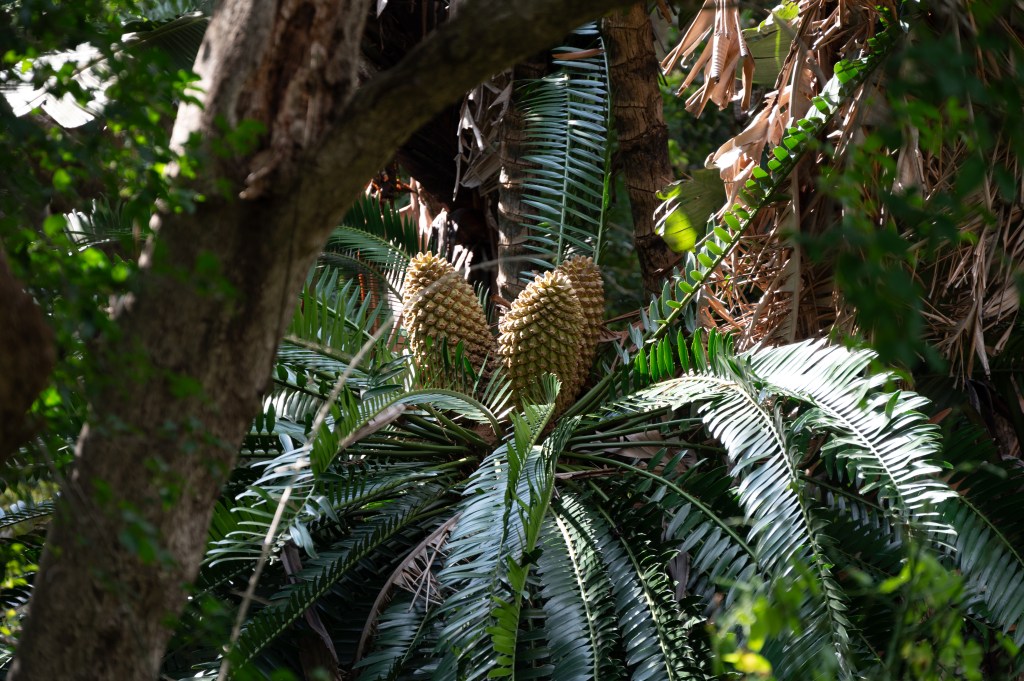
Today, we visited Kirstenbosch National Botanical Garden, a stunning biodiversity space showcasing the Cape region’s incredible variety of plants and creatures. We connected with three primary biodiverse regions within the garden. The fynbos biome, unique to the Cape, was particularly beautiful. The other two regions included a familiar forest and another whose name I can’t recall. Seeing these different plants and animals and reflecting on them was fascinating. Some plants in the garden are over 100 years old, adding to the sense of wonder.The biggest takeaway was realizing how unique biomes can exist with the most beautiful and interesting plants. Next, we headed up Table Mountain for breathtaking views. Despite a wildfire on one side of the mountain, we managed to get up safely.
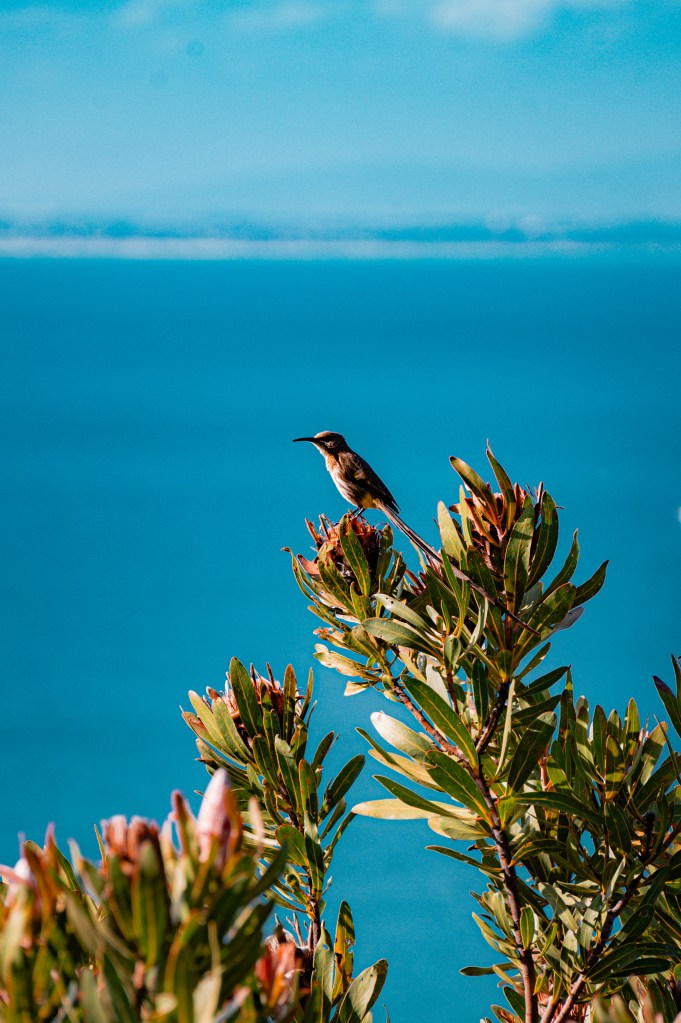
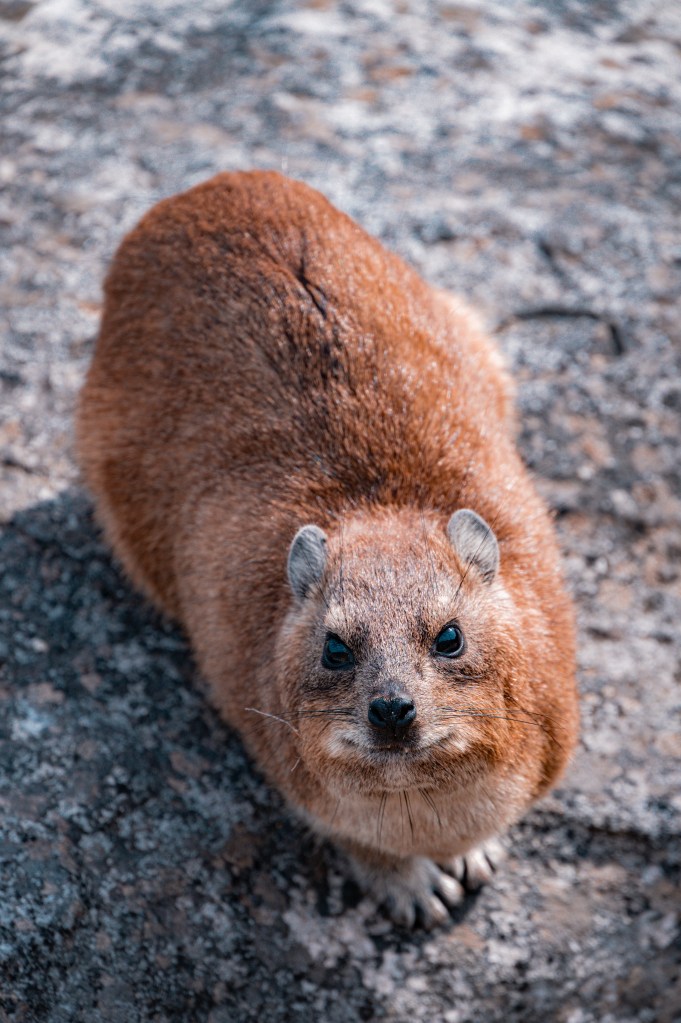
The views from 3,500 feet up for context to CN Tower is about 2000 feet the views were extraordinary, highlighting the stunning landscape and the natural beauty of this place. I saw a variety of unique birds and creatures of the top of the mountain which is very cool they were very beautiful and I got some Crisp photos of them. We ended the day with a debrief at our accommodations, reflecting on our experiences. Many of us shared similar opinions about what stood out, what we liked, and what was important to us. Overall, it was a pretty good day, though slower and more touristy compared to earlier days. These slower days are harder to reflect on in detail, possibly because I’ve been here for so long and am picking up on fewer new details. Nonetheless, it was a beautiful day to explore the natural beauty of South Africa, specifically the Cape region, and to be present in the moment.
Day 8 May 4 2024
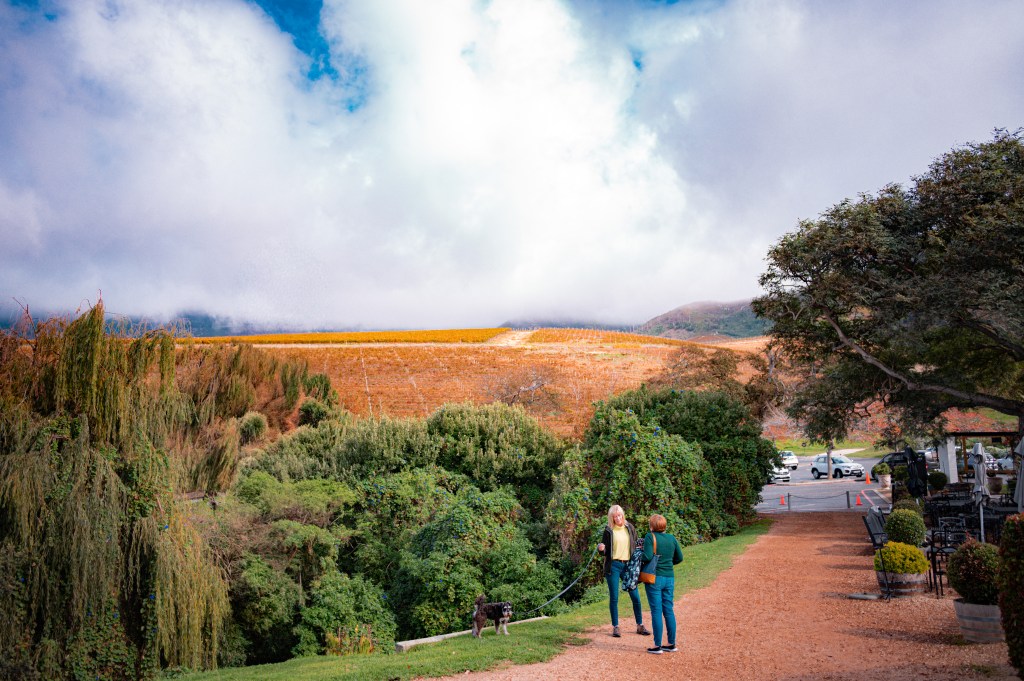
Day eight involved exploring the Groot Constantia Museum and Winery. We learned about the history and protection of historical buildings in South Africa, similar to our earlier discussions with Robin who is the government employee dedicated to conservation of spaces. Buildings over 60 years old can achieve special protected status. We also discussed trusts used in South Africa to manage and protect land and property.
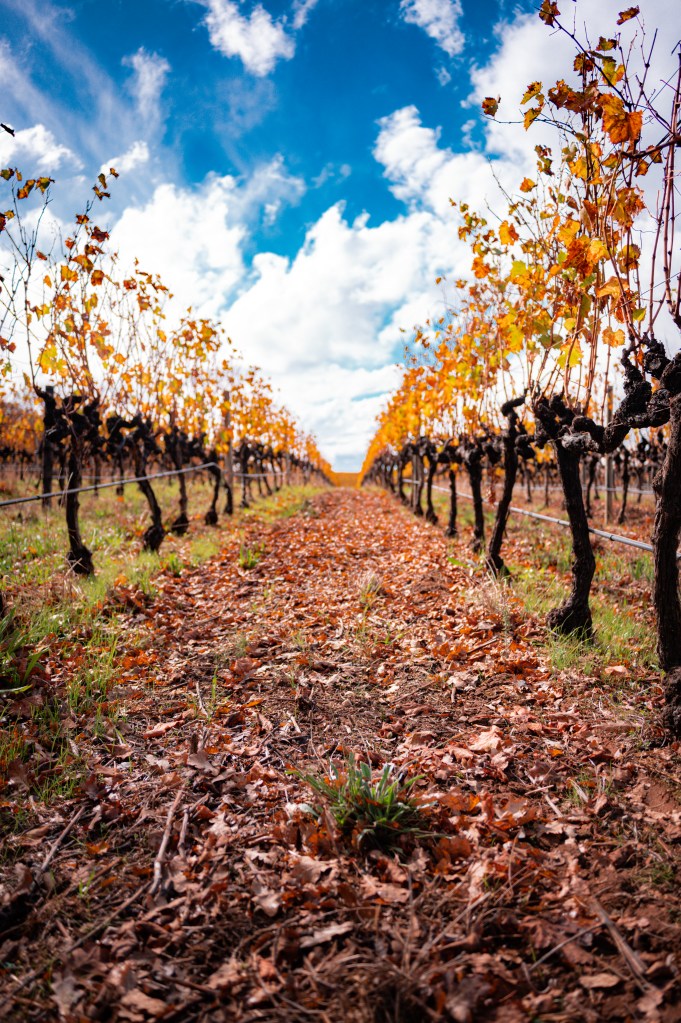
The winery we visited is under a trust with unknown ownership, which might contribute to its success compared to more transparent trusts. Which often become transparent and things are not going well. A researcher, now focusing on wineries for her PhD, discussed the challenges of land use. She highlighted difficulties in allowing families to use the land for sustenance and zoning issues with historical land like this 200-year-old winery. Repurposing such land requires significant effort. We had lunch at the winery, which, like many places in South Africa, has ties to slavery and apartheid. It was fascinating to learn about the global connections of this land, including its ties to Napoleon. The discussion on land redistribution policies and land reform was particularly relevant, highlighting the complexities of ensuring fair land distribution, a significant issue in many regions, including Canada. In the evening, we ended the day with a night rock pooling session. Initially, I was hesitant because it was still daytime when we departed, but it quickly got dark.
This rock pooling experience was better than our earlier attempt, as the wildlife was more active at night. We saw various creatures, including starfish, sea stars, small fish, crabs, and urchins. For dinner, since it was our last night, I wanted to try a place that I’ve been noticing since the first day that I arrived I chose the Salt Restaurant and had butternut squash pasta, which was quite good. Overall, it was a very interesting and enriching day.
Day 9 May 5 2024
Today is day nine, our last day. I’ll be flying out at 6 p.m. We started the day in Scarborough foraging wild kelps and edible sea plants. It was surprising to see the variety of dishes made from kelp and seaweed. We had a three-course meal: seaweed lasagna, seaweed spring rolls, and a seaweed brownie for dessert. It was a good meal, and I hope to get the recipes. The morning was very cold and windy, making it hard to focus on the foraging experience. Despite this, it was fascinating. Although much of what we learned was a refresher, as we had been exposed to similar information throughout the week, it was still valuable. One challenge of a course like this is the repetition of certain topics. We discussed baboons, wildlife, sharks, sea life, biodiversity, social justice, and apartheid multiple times, which helped reinforce the information.
During the foraging, we had the opportunity to snack on the plants. We went to a lovely spot related to Ella’s family, where we made some food and enjoyed the space. I got some beautiful souvenirs to take home. We ended the day by visiting a little market. The last activity was a reflection session with Bruce, our Dean of Environment. We discussed our experiences and thoughts. For me, the focus was on the people who in my opinion make a place what is the relationship between the people exceeded my expectations. We also talked about biodiversity and other interesting aspects of the trip. Reflecting on our experiences was valuable, and I plan to include my pictures and thoughts about the whole trip in a final reflection. Overall, it was a lovely last day, and I look forward to sharing more insights once I’ve had time to process everything.
 Jaden McGregor